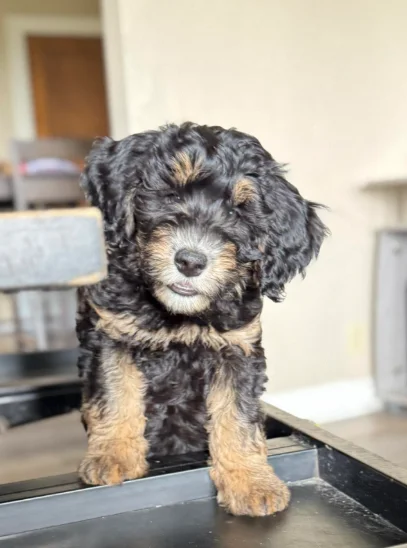
How to Prepare Your Home for a New Puppy
By Zach, Z and Z Doodles · · 5 min read
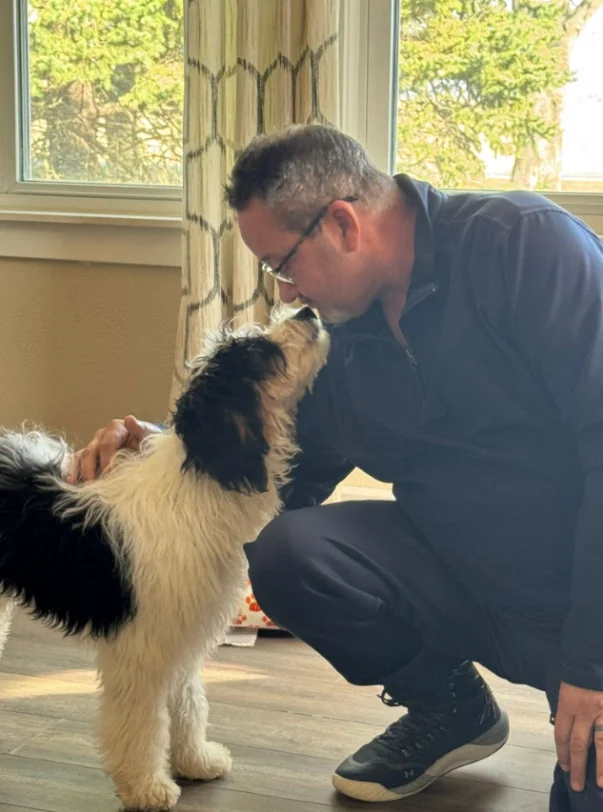
The days before a puppy comes home are exciting, and a little nerve-wracking. A bit of preparation makes the first weeks calmer for everyone, especially the puppy. Here is the checklist we share with every family who joins our waitlist.
Get the right supplies
You do not need to buy everything in the pet aisle. Start with the essentials:
- A crate sized for your dog's adult size, with a divider while they are small
- A comfortable bed or crate pad
- Food and water bowls, ideally stainless steel or ceramic
- A collar or harness with an ID tag, and a lightweight leash
- Chew toys and puzzle toys of different textures
- A slicker brush and comb for the coat
- Puppy-safe shampoo, nail clippers and ear cleaner
- Enzymatic cleaner for accidents
- Treats for training
We send each puppy home with starter food and a blanket that smells like home, which helps with the switch.
Puppy-proof the house
Get down on your hands and knees and look at your home from puppy height. Anything chewable will be chewed. Move cords, shoes, houseplants and medications out of reach, and check that trash cans have lids. Some common household plants and foods are toxic to dogs, so ask your vet for a list. Close off rooms you do not want your puppy in, using baby gates.
Choose the puppy's spaces
Decide where your dog will sleep, eat and spend the day. Set up the crate in a quiet but not isolated place. A small, safe area for supervised play makes housetraining easier. Our guides on crate training and potty training explain how to use these spaces.
Plan the first vet visit
Book a visit with your own veterinarian within the first few days after go-home. Bring the written health record we provide. Your vet will check your puppy, plan the next vaccines and answer questions. Ask about parasite prevention, microchip registration and pet insurance too.
Agree on household rules
Before your puppy arrives, sit down with everyone in the home and decide:
- Who feeds, walks and handles potty trips
- Whether the dog is allowed on furniture
- Which words you will use for commands
- How visitors and children should greet the puppy
Consistency is the most valuable training tool you have. A puppy confused by mixed rules learns slowly.
Prepare the kids and other pets
Teach children how to handle a puppy gently: calm voices, no grabbing, no waking a sleeping puppy. Always supervise. If you have a dog or cat already, plan slow introductions on neutral ground, and give each pet space to retreat. Tell us about your other animals when you talk to us so we can match the right personality.
Think about the schedule
Puppies need frequent meals, potty trips, play and sleep, and they cannot be left alone for long. Plan time off for the first days if you can, and work out who will be home in the weeks after. Practise short absences early so your dog learns that being alone is normal.
Plan the trip home
Bring a secure crate or carrier, a collar and leash, towels in case of car sickness, and a second adult so one of you can sit with the puppy. Keep the drive calm and the day quiet. Skip visitors on day one so your puppy can settle. Read our first night and first week guide for what to expect.
Set a budget
Beyond the purchase, plan for food, grooming every six to eight weeks, vet care, training classes, boarding or pet-sitting, and supplies. Dogs are a long commitment, often well over a decade. Budget for the unexpected, and consider insurance.
A last-minute checklist
The day before your puppy comes home, walk through the house one more time. Check that baby gates are in place, the crate is set up with the blanket inside, food and water bowls are out, and the vet appointment is booked. Charge your phone for photos, and tell your family or housemates the plan.
Then take a breath. You do not need to be perfect. Puppies are resilient, and a calm, consistent, loving home is the most important thing you can offer. We will be here if you have questions along the way.
Start training the day your puppy arrives
You do not need to wait for classes. Teach their name, take them out often, reward calm behavior and handle their paws and ears. We begin gentle handling and socialization in our home from the first weeks, so your puppy arrives with a foundation.
Have questions about getting ready? Browse the FAQ, see our available puppies, or contact us. We are happy to help you prepare.
Zach and his family raise Bernedoodle puppies at home in Central Illinois. Every puppy is health-tested, raised underfoot, and backed by lifetime breeder support. Meet the family.