How to Groom a Bernedoodle at Home
By Zach, Z and Z Doodles · · 5 min read

That soft, teddy-bear coat is a big reason people fall for Bernedoodles. It is also the part that surprises new owners the most. Low-shedding coats need regular care, and a little routine goes a long way. Here is how my family keeps our dogs comfortable, and how you can do the same at home.
What the coat is like
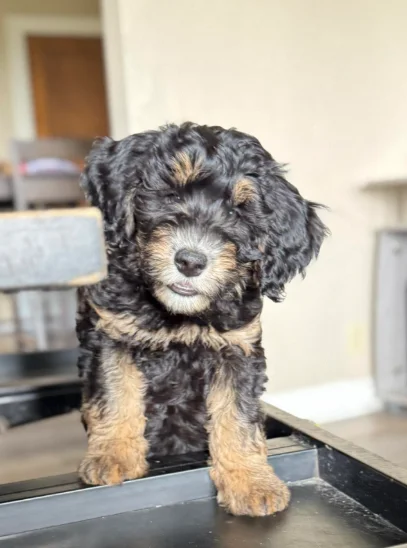
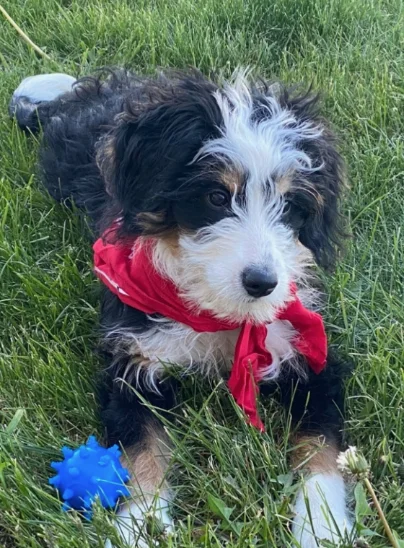
Bernedoodle coats are usually soft and wavy or curly, though some are straighter. The Poodle side gives them a coat that holds on to loose hair instead of dropping it all over the house. That is great for your floors and often for allergies, but the trapped hair has to be brushed out or it tangles into mats.
The tools you need
You do not need a grooming salon in your hallway, just a few basics:
- A slicker brush for the coat
- A metal comb to check for tangles down to the skin
- A dog shampoo and conditioner
- Nail clippers or a grinder
- Ear cleaner recommended by your vet
- A good towel and, if you like, a dog dryer
Brushing: the habit that matters most
Plan on brushing several times a week, and often daily for curly coats. Work in sections, brushing right down to the skin, then follow with the comb to make sure nothing is hiding underneath. A brush that glides over the top of the coat while leaving mats underneath is the usual mistake.
Pay extra attention to the places that tangle first: behind the ears, under the legs, around the collar, the belly and the tail. If your dog is comfortable with a quick daily session, you will rarely face a serious mat.
Bathing
Most Bernedoodles do well with a bath every four to six weeks, or when they are dirty. Always brush out tangles before the bath, because water tightens mats. Rinse thoroughly, since leftover shampoo irritates the skin, and dry the coat completely afterward. A damp, undried coat can feel clammy and may develop an odor.
Dealing with mats
If you find a small mat, work it gently apart with your fingers and the comb, starting at the edges. Never pull hard and be careful with scissors close to the skin. Skin is thin and easy to nick. If a mat is tight or large, ask a groomer to remove it. Sometimes a shorter trim is kinder than hours of brushing.
The coat change
Many puppies go through a coat change somewhere between six and twelve months. The soft puppy coat gives way to an adult coat, and this can bring a short but tangle-prone period. Brush more often during this time. It passes, and your dog's adult coat will settle.
Professional grooming
Most owners visit a groomer every six to eight weeks for a trim, with bathing, brushing, nails and ears handled at home or in between visits. Tell your groomer how you want the coat to look. Many people choose a shorter, easy-care cut, and others prefer a longer teddy-bear style. Either is fine as long as it fits the time you can give.
Nails, ears and teeth
Trim nails regularly so they do not click on the floor. Check ears weekly for redness or odor, since floppy, hairy ears can trap moisture. Ask your vet about brushing teeth too. These small habits prevent bigger problems.
Start young
The best grooming tip is to start early. Handle your puppy's paws, ears, mouth and coat every day, then pair it with a treat and calm praise. Do short sessions. A puppy that learns grooming is pleasant becomes an adult who stands patiently for the brush. Our puppies are handled gently every day before they leave us, and we send you home with tips.
Quick answers
What is the biggest grooming mistake? Brushing only the top of the coat. Always brush down to the skin, and check with a comb.
How can I tell if my dog has a mat? Run a comb through each area. If it snags or will not glide to the skin, there is a tangle forming.
Is it okay to skip a groomer? Some owners manage fully at home, but it takes time, the right tools and practice. If the coat starts to mat despite your efforts, a professional can reset it with a shorter trim, and then you can keep it up with regular brushing. Whichever route you take, start handling your puppy early so every grooming session is calm.
Common questions
Does a Bernedoodle shed? Most shed very little, especially wavy and curly types.
Do they smell? Not if they are clean and fully dry.
Can I shave a Bernedoodle in summer? A trim is fine, but ask your groomer before going very short, since coat also protects skin from sun and heat.
For more about the breed, read what a Bernedoodle is or check the FAQ. When you are ready to meet a puppy, see available puppies or reach out to us.
Zach and his family raise Bernedoodle puppies at home in Central Illinois. Every puppy is health-tested, raised underfoot, and backed by lifetime breeder support. Meet the family.