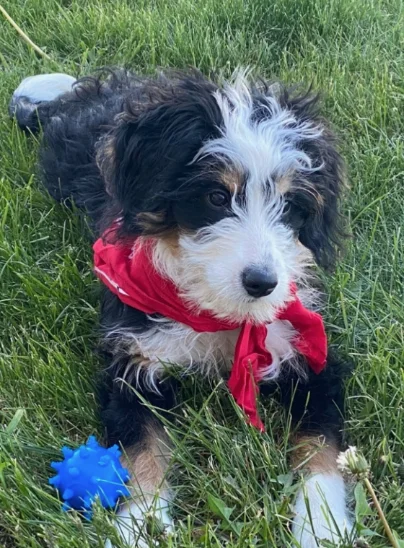
Your Puppy's First Night and First Week at Home
By Zach, Z and Z Doodles · · 5 min read
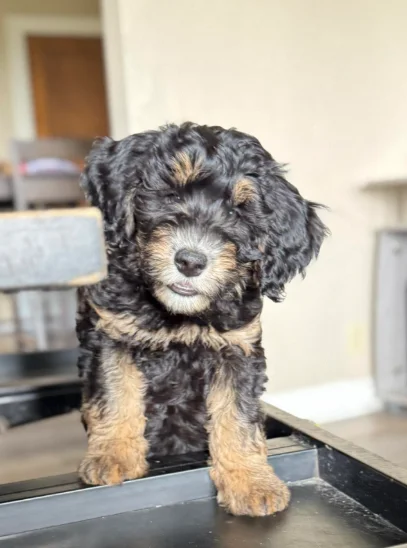
Your puppy is home. The car ride is over, the toys are out and everyone is smiling. Then night falls, and a very small dog realizes it has left its mother and littermates for the first time. This guide covers what to expect during the first night and the first week, based on what we tell every family on go-home day.
Keep go-home day calm
It is tempting to invite everyone over to meet the puppy. Resist it. Your puppy has already had a big day. Let them sniff around, offer water, take them to the potty spot often, and keep the atmosphere relaxed. A quiet first day is a gift.
Before bedtime
Take your puppy out to go potty right before bed, and again as late as you reasonably can. Offer a little water but pick it up an hour or so before bed. Put the blanket we send home, which smells like our house and the litter, in the crate. Smell is comforting to puppies.
The first night
Most puppies cry the first night. It does not mean you made a mistake. Put the crate near your bed so your puppy can hear and smell you, and talk softly if they fuss. Expect to get up once or twice to take them out, since young puppies cannot hold it all night. Keep these trips boring: out, potty, praise, back to bed. No play.
Do not let a puppy out of the crate simply because they are crying, or they learn that crying works. Do take them out if they need to potty, and learn the difference. If your puppy is truly distressed, go to them calmly. Our crate training guide goes deeper.
Days two and three
Your puppy will be settling in and may seem tired, clingy or a little off their food. This is normal. Stick to a routine: meals at the same times, potty trips after waking, eating, playing and napping, and plenty of sleep. Young puppies sleep a surprising amount, often 18 to 20 hours a day, and need undisturbed naps.
Feeding
Feed the same food your puppy was eating, and switch slowly over about a week if you plan to change it. We send starter food home to ease the transition. Offer several small meals through the day and follow your veterinarian's advice on amounts. See what to feed a Bernedoodle puppy.
The first vet visit
Book your puppy's first visit within the first few days, and bring the health record. Your vet will check your puppy, discuss vaccines and parasite prevention and answer questions. Ask when your puppy can safely meet other dogs and visit public places.
Potty training starts now
Take your puppy to the same spot every time, praise calmly and give a treat right after they finish. Accidents happen, so clean them with an enzymatic cleaner and move on, with no scolding. Our potty training guide has a full routine.
Start gentle socialization
Between the first vaccines and full protection, your vet will advise which outings are safe. In the meantime, introduce new sounds, surfaces and calm visitors at home. Keep experiences short and positive. Our socialization timeline explains the early window.
Watch for trouble
Contact your veterinarian promptly if your puppy has repeated vomiting or diarrhea, refuses to eat or drink, seems very lethargic or shows other signs that worry you. When in doubt, call. We also want to hear how things are going, since we stay a message away.
The end of week one
By the end of the first week, most puppies have a feel for the routine. You will probably be tired, and your puppy will be bolder. Keep up the consistency. A few bad nights are normal, and most puppies improve quickly.
Quick answers
Is it okay to bring the puppy into my bed? It is a personal choice, but many trainers suggest starting in the crate near your bed, since it builds good sleeping habits and helps with potty training.
How loud will the crying be? It varies. Some puppies settle in minutes and some fuss for a few nights.
Should I give toys in the crate? A safe, durable chew toy can help, but supervise at first and remove anything that could be swallowed. Avoid soft toys that a determined chewer could shred. If you are not sure which toys suit your puppy, ask your veterinarian or us.
Remember why you are doing this
Those early weeks are hard work, but they build the bond that lasts a lifetime. If you have questions, check our FAQ, meet the available puppies or reach out. We love hearing from our families.
Zach and his family raise Bernedoodle puppies at home in Central Illinois. Every puppy is health-tested, raised underfoot, and backed by lifetime breeder support. Meet the family.